Safe, Sustainable Agriculture for the Next Generation
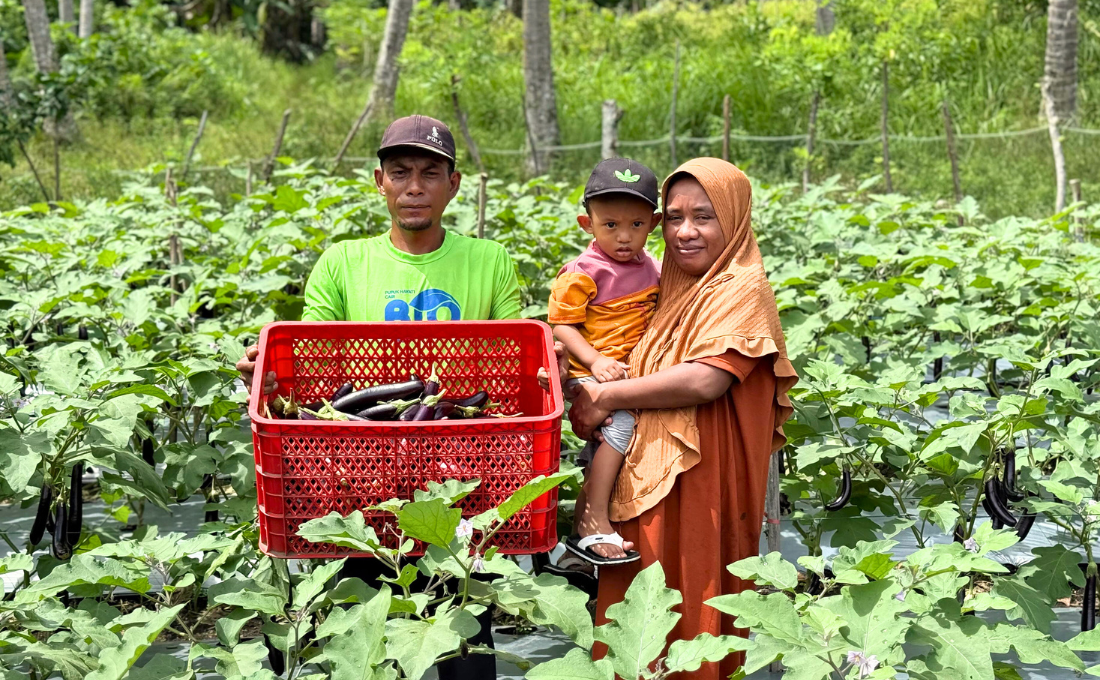
In the city of Ternate, Zulkarnain (43) and his wife, Mardiana, sustain their livelihood through a horticultural plot they manage independently. For many years, aubergines have been the family’s primary commodity, serving as the main source of income for household expenses and the education of their four children.
Under their previous farming method, Zulkarnain planted approximately 800 aubergine seedlings, relying entirely on chemical fertilisers. Production costs reached RP 3 million per planting season, yielding a harvest of over one tonne at a selling price of RP 15,000 per kilogram. Although this generated a gross income of around RP 15 million, the high production costs and concerns regarding health impacts made the farming business feel burdensome and not entirely sustainable.
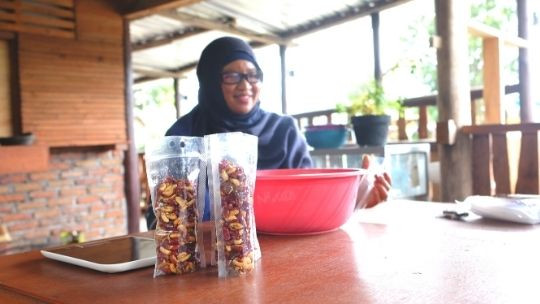
The turning point came when Wahana Visi Indonesia (WVI) introduced Bioconversion liquid organic fertiliser through direct on-site mentoring. Zulkarnain subsequently switched to organic methods and adjusted his crop population to 501 seedlings.
This change brought a significant impact on cost efficiency. To date, he has only used five bottles of Bioconversion fertiliser, totalling a cost of approximately RP 500,000.
"Production costs are much lighter now, and I feel more at peace because the harvest is safe for my children to consume," says Zulkarnain, describing the transformation he has experienced since switching to organic fertiliser.
In terms of productivity, with 501 seedlings, Zulkarnain has already completed 15 harvests with a total yield of 699.8 kilograms. With the selling price steady at RP 15,000 per kilogram, the gross income earned so far has reached approximately RP 10.49 million.
As harvesting continues every week, production is expected to keep increasing. With significantly lower fertiliser costs, the family’s net income has become more stable and economically healthy, despite the smaller planting scale compared to before. This efficiency has given the family the breathing room to manage their finances without the pressure of high upfront costs at the start of the season.
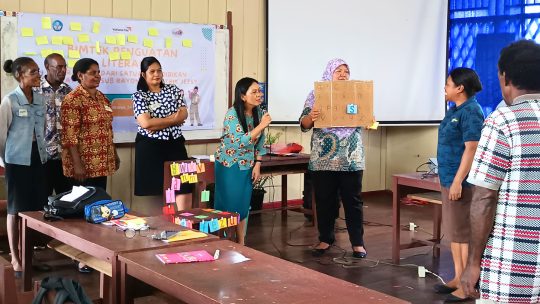
The changes in the field have gone hand-in-hand with a transformation in family financial management through Gender Inclusive Financial Literacy Training (GIFT). Mardiana now plays an active role in recording every expenditure and income from the farm, from seeds to weekly sales results.
After every harvest, the family commits to setting aside a minimum of RP 100,000 for their children’s education savings, which is never touched for other needs. "Now we know our exact net profit, so saving for the children feels more certain," Mardiana explains. For Zulkarnain’s family, a sustainable weekly harvest supported by efficient production costs has become a solid foundation for building a bright educational future for their children.
Author: Julianti (Freelancer for INCLUSION programme in North Maluku)
Editor: Purwono (Team Leader for INCLUSION programme in North Maluku)