Understanding Social Enterprises and Non-Profit Organizations: Organizations Built on Philanthropic Principles
Philanthropy Is an Act of Love
Have you ever heard the word “philanthropy”? For many people, the term still sounds unfamiliar—mainly because it’s rarely used in everyday conversation.
The word philanthropy comes from the Greek words philein (to love) and anthropos (human). Combined, philanthropy refers to acts of love toward fellow human beings—where someone willingly offers their time, money, and energy to help others.
According to the Indonesian Dictionary (KBBI), philanthropy means love and generosity toward others. Based on this definition, philanthropy is closely tied to social activities, where humans express compassion by giving. As the concept of philanthropy evolves globally, two types of organizations have embraced it as the foundation of their vision and mission.
Organizations Built on Philanthropic Values
The two main types of organizations are social enterprises and non-profit organizations (NPOs).
Social Enterprise
We often assume that social initiatives only come after someone achieves success or feels fulfilled in life. This is why many people believe that philanthropy cannot coexist with business operations.
Philanthropy is seen as something that does not generate profit or add value to a company. Its purpose seems contrary to that of business, which focuses on increasing value and generating wealth.
This prevailing mindset turned the words of Donna Karan—a renowned American fashion designer, founder of DKNY, and creator of the Urban Zen Foundation—into a controversial statement when she said:
“I truly believe that philanthropy and commerce can work together.”
Of course, no one believed her.
But that didn’t stop Donna.
She continued to stand by her principles, even stepping down from the iconic fashion brand she built with her husband to focus on the Urban Zen Foundation.
People wondered why Donna made such a bold decision. In an interview, she explained that the passing of her husband, Stephan Weiss, from lung cancer changed her life and worldview. His death made her realize that life isn’t just about fame or success—it’s about finding peace amid chaos. For Donna, she found that peace by being a philanthropist and helping others through Urban Zen Foundation.
Urban Zen Foundation operates as both an e-commerce business and a philanthropic organization that merges creativity, culture, collaboration, retail, technology, wellness, and social impact. Many initially struggled to understand the company’s vision, but over time, its initiatives spoke for themselves.
One of its most successful projects is the Haiti Artisan Project. This initiative empowers women in the rural village of Fond des Blancs, Haiti, by helping them create handcrafted products—bracelets, clothing, and more. These products are sold on the Haiti Projects website, generating income and improving the women’s quality of life. The project helps them become financially independent without relying on men for daily needs.
Beyond building Urban Zen Foundation, Donna actively promotes philanthropic values by speaking at prominent universities, inspiring young people to create businesses that prioritize not only profit but also social impact.
Of course, Donna Karan is just one of many social enterprise leaders who champion philanthropy. Their collective efforts have helped society gradually embrace the concept—evident from the global rise of social enterprises in recent years.
Non-Profit Organization (NPO)
We’ve explored the origins of social enterprises and how they combine business with philanthropy. But what about NPOs, which have long been rooted in philanthropic work? Are NPOs becoming obsolete with the emergence of social enterprises?
The answer is no.
While social enterprises have gained momentum, NPOs remain essential. This is because NPOs operate more straightforwardly—without the need for complex business models that involve sales, investors, or profit-sharing. NPOs rely on voluntary donations, allowing them to deliver social impact more quickly.
However, NPOs face a major challenge: low sustainability.
Their funding depends entirely on donors, making it difficult to maintain long-term operations. In contrast, social enterprises generate their own revenue, giving them more financial stability.
Still, concerns about the sustainability of NPOs are disproven by long-standing organizations such as World Vision International.
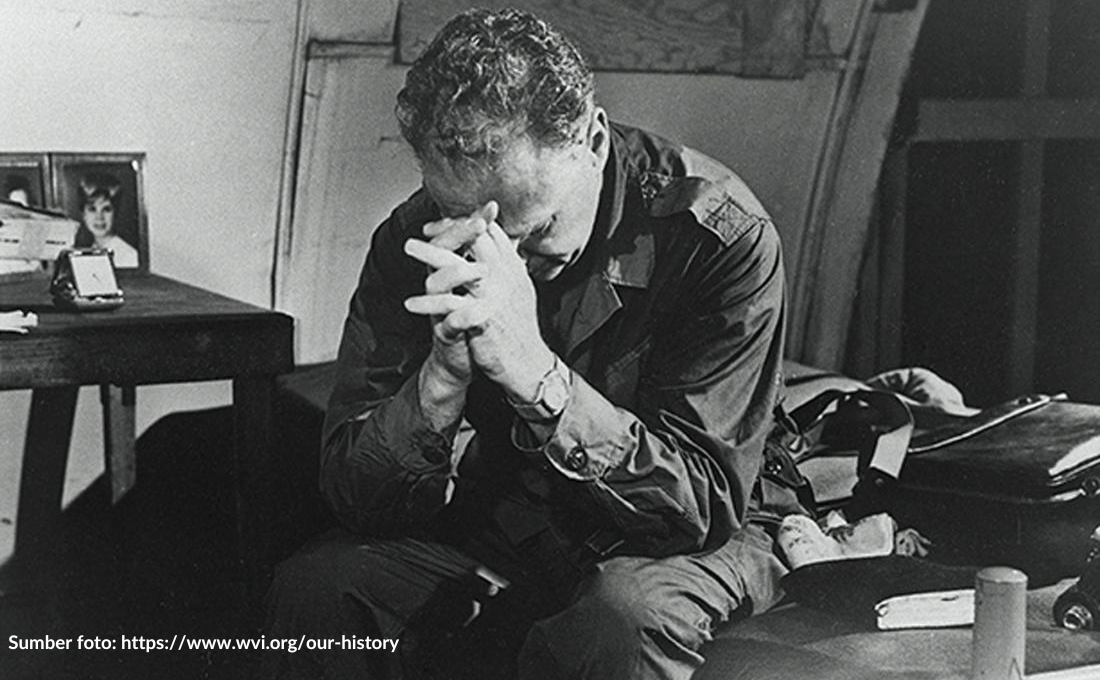
World Vision was founded in 1950 by Dr. Bob Pierce, an American who dedicated his life to helping children escape poverty. His philanthropic journey began when he met a young girl in China who couldn’t attend school because she lacked financial support. Driven by compassion, Dr. Bob gave what he could to help her. That moment became the seed that grew into one of the world’s largest humanitarian organizations.
World Vision International now operates globally and has hundreds of partners, including Wahana Visi Indonesia (WVI).
The Vision and Mission of Philanthropic Organizations
Both social enterprises and NPOs share the same vision: to love and support humanity. They are united by their commitment to practicing philanthropy. The key difference lies in sustainability—social enterprises tend to be more sustainable because they generate revenue independent of donations.
Albert Einstein once said:
“Only a life lived for others is a life worthwhile.”
Living to give has consistently proven to bring deeper fulfillment than living solely for oneself. So, let’s start embracing the principles of philanthropy and create a more meaningful life—today.