Angelina Theodora: WVI’s Commitment for Transformation
"Our vision for every child, life in all its fullness. Our prayer for every heart, the will to make it so.” These two sentences are the vision statement of Wahana Visi Indonesia (WVI).
One of the key forms of partnership between WVI and people who share the same vision for Indonesian children is the Child Sponsorship program. The support of sponsors enables WVI to implement transformational development, which is WVI's long-term approach to the empowerment of children and the communities we assist. In the transformational development approach, every child, together with their family and the community around them, undergoes a process of learning and change in various aspects of life, including social, political, economic, spiritual, physical, and environmental, so that they are empowered to work together to overcome injustice and inequality. Ultimately, all children, both girls and boys, along with their families and the surrounding community, can live a life of well-being with dignity, justice, peace, and hope.
Why does WVI remain committed to the long-term transformational development approach? Many issues that negatively impact children's well-being are caused by structural poverty. This form of poverty occurs not merely due to a lack of effort by certain individuals or community groups, but because they face systemic barriers that prevent them from escaping poverty. They experience systemic disparities in the social, economic, and political structures that systematically limit or worsen their access to opportunities for a decent and prosperous life. The limited access of children to quality education or adequate health services in the 3T (Disadvantaged, Frontier, Outermost) regions is a form of structural poverty. The limited job opportunities for young people who cannot continue their education to a higher level, but live in areas with geographical and climatic conditions that restrict the types of available employment, especially in the agricultural sector, is also a form of structural poverty.
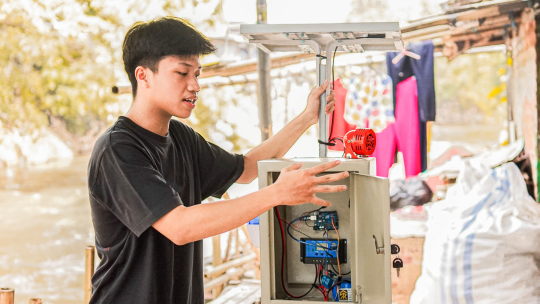
Tackling structural poverty in Indonesia requires a multi-sector and multi-stakeholder approach that focuses on long-term systemic change, not just occasional or temporary aid. Fair infrastructure development must be accompanied by improved access to basic services including education and health, community empowerment, especially for vulnerable groups, job creation and inclusive economic development, strengthening policies and social safety nets, as well as improving government governance and multi-stakeholder partnerships. A comprehensive long-term strategy can reduce systemic inequality, particularly for community groups that have been historically marginalised, such as tenant farmers or smallholder farmers, informal workers, indigenous communities, or children and communities in 3T areas, and help to break the cycle of intergenerational poverty.
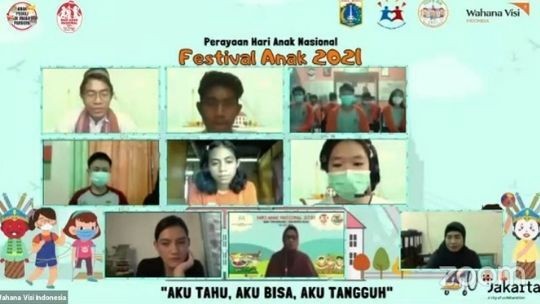
Through the transformational development approach, WVI collaborates with the children and communities they assist, the government and stakeholders, as well as multi-stakeholder partners, including the private sector, non-governmental organisations, and civil society, for sustainable positive impact. Children's voices are heard, and they build skills to participate meaningfully in their families and communities, and become children of character, resilience, and hope. Parents, caregivers, and families learn about positive parenting amidst the challenges of the times, including digitisation, and are equipped with financial literacy and opportunities to develop their family economy. Capacity building for community cadres, cross-faith religious leaders, and relevant stakeholders regarding child protection and the fulfillment of children's rights. Empowerment of children, families, and communities to engage with the government in social accountability for improving access and quality of basic services, including education and health.
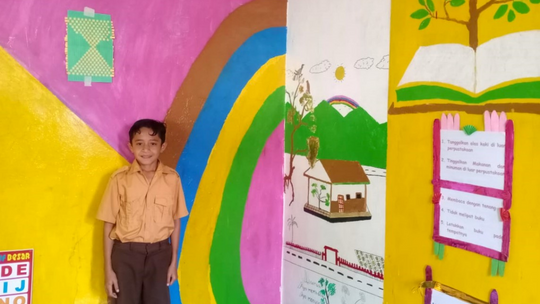
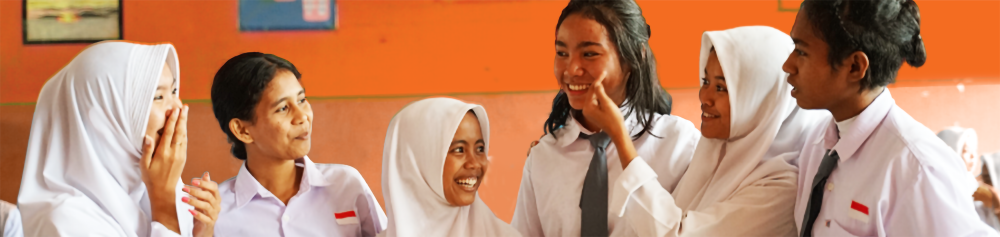
As a social humanitarian organisation whose service is based on Christian values, WVI believes that every human being, every child, is created in God's image and likeness, and therefore the life of every child is incredibly valuable. All of us created in God's image and likeness intrinsically have love for God and for one another. This love motivates us to move together towards the vision of a life full of fullness for every child. As part of the Unitary State of the Republic of Indonesia, one of whose fundamental principles is "Social justice for all Indonesian people," we all believe that Kirana in Jakarta, Teguh in Sintang, Maria in Southwest Sumba, Agustinus in Parigi Moutong, and Yohana in Asmat, and all Indonesian children have the same rights to life, growth, development, protection, as well as to identity, education, health, food, and social security. They also have the same rights to play and recreation, religion, and to participate and express their opinions. Every child in Indonesia has the same right to live a life of well-being with dignity, justice, peace, and hope.
Author: Angelina Theodora (Wahana Visi Indonesia National Director)