Big Impact, Small Habit
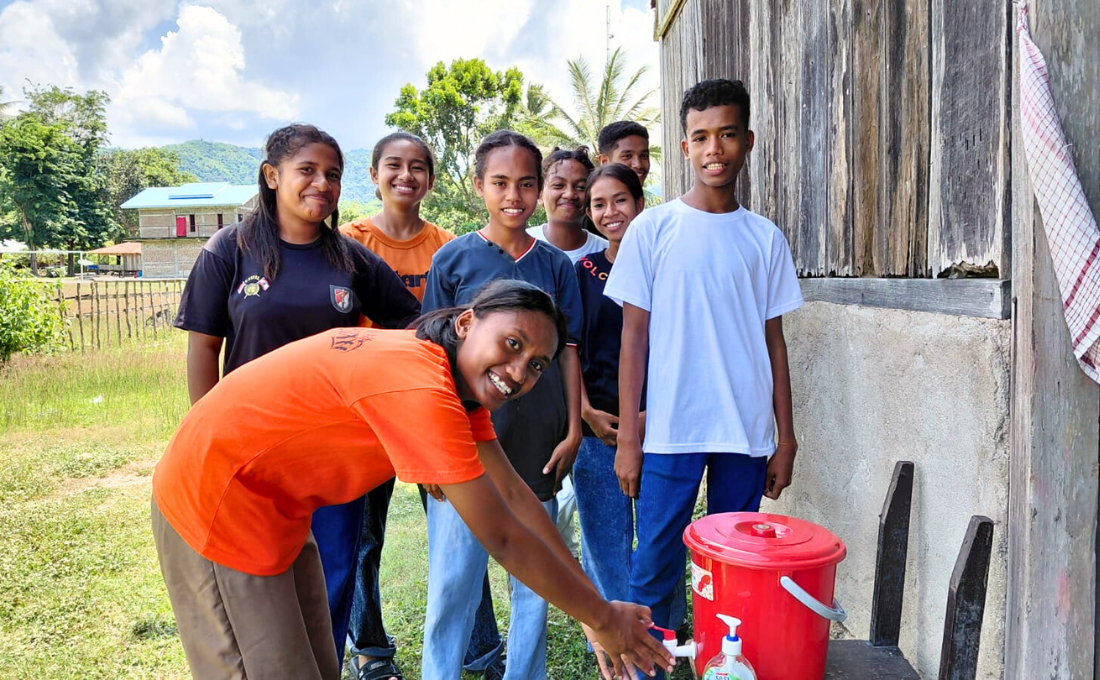
Access to clean water alone is not enough. There must also be a shift in the habits of children and the wider community to ensure the ultimate goal of clean water access is met: for everyone to live a clean and healthy life.
One simple yet highly impactful method for maintaining hygiene and health is the habit of handwashing with soap and running water. Therefore, the logical follow-up to providing water access is to spread information about the importance of personal hygiene. This can begin by highlighting the importance of hand hygiene, particularly among children.
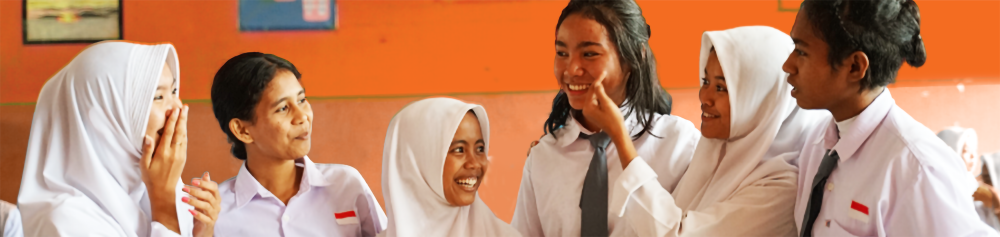
“Previously, my friends and I rarely attended health education sessions. Usually, those activities were only for parents, so we children never took part. As a result, we didn't really know how to protect ourselves from everyday illnesses. We often neglected to wash our hands, ate unhealthy snacks, littered, and some of us didn't have access to sanitary toilets,” says 14-year-old Anjel.
Until now, many people have continued to ignore hygiene during critical moments. This neglect has a direct impact on health quality, especially for children. By starting to pay attention to hand hygiene, children will be better protected from infections and serious health issues.
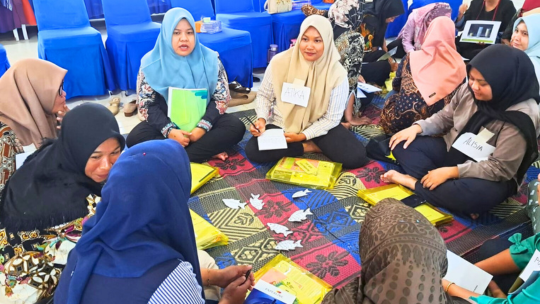
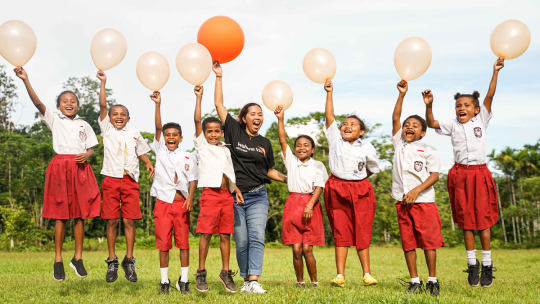
Wahana Visi Indonesia (WVI), which supports a village in the Ende Regency of East Nusa Tenggara, has initiated health education and socialisation sessions on healthy living and the importance of handwashing with soap. These sessions involve all age groups, with a particular focus on children.
“When I took part in the activities designed specifically for children, I was so happy! I learned why washing our hands is important, the correct way to do it, and when we should wash them. The most exciting part was being able to demonstrate how to wash my hands with soap using the tools and media provided by the facilitators,” says Anjel, who serves as the head of the Village Children’s Forum.
Beyond sparking new positive habits for children to adopt, these educational activities have also opened up space for child participation in the village. “Now, I know more about how to maintain personal and environmental hygiene, and I can remind my friends and younger siblings to wash their hands too. I feel happy because children like us are finally being noticed and involved,” Anjel concludes.
Author: Thedeus Mbabho (WASH BP Officer from Ende Area Programme)
Editor: Mariana Kurniawati (Communication Executive)