What is Wahana Visi Indonesia and Its Role in Child Empowerment
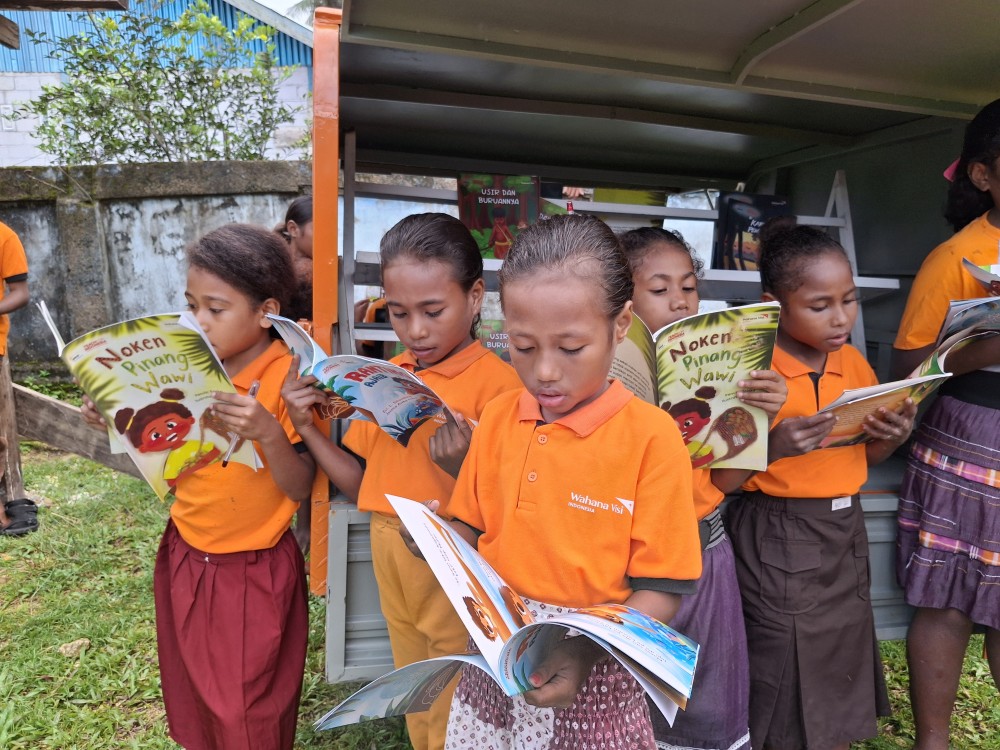
As the Pillars of the Nation’s Future While children represent the cornerstone of future progress, the lives of many in Indonesia are still clouded by various social issues. From health and education to general welfare, challenges continue to overshadow their happiness.
Amidst these challenges, Wahana Visi Indonesia (WVI) has emerged to bring new hope and tangible positive impact to the lives of vulnerable children across the archipelago. Let us explore the profile of Wahana Visi Indonesia and examine its role in child empowerment through the following review.
What is Wahana Visi Indonesia?
Wahana Visi Indonesia (WVI) is a humanitarian organisation focused on the development of the most vulnerable children, families, and communities, without distinction of ethnicity, religion, race, or gender. The organisation has reached remote corners of the country to ensure every child has an equal opportunity to grow up healthy, educated, and protected.
WVI’s activities encompass improving the quality of education, health, and child protection, as well as disaster preparedness. The method employed goes beyond providing short-term aid; it builds community resilience, enabling them to become empowered and independent in the future. This distinguishes WVI from mere aid agencies, positioning it as a partner for change at the community level.
The Complete History of Wahana Visi Indonesia
The impact of war on children in China and Korea in 1947 deeply moved the heart of Robert "Bob" Pierce, a pastor and volunteer from the United States. This experience inspired him to found World Vision International in 1950, which would later become the precursor to the birth of Wahana Visi Indonesia.
-
Late 1950s: World Vision began reaching Indonesia through social services focused on children in orphanages.
-
1960s: The official presence of World Vision in Indonesia began, led by German Edey as the first director. The focus at that time was improving child health and welfare in regions such as Java, Bali, East Nusa Tenggara, and Sulawesi.
-
Early 1970s: Significant development occurred when the organisation initiated the Area Development Programme (ADP) in Loksado, South Kalimantan. This programme became the forerunner of the integrated community development approach.
-
1995 & 1998: The organisation was legally incorporated in Indonesia as Yayasan World Vision Indonesia in 1995, and changed its name to Yayasan Wahana Visi Indonesia in 1998. Since then, WVI has been an independent national organisation while remaining a partner within the World Vision International global network.
Various responses to major disasters—such as the 2004 Aceh tsunami, the 2006 Yogyakarta earthquake, the 2009 Padang earthquake, and the 2018 earthquakes in Lombok and Central Sulawesi—demonstrate WVI's commitment to rapid and coordinated humanitarian action.
Purpose, Vision, and Mission
The Main Goal: To ensure Indonesian children, especially the most vulnerable, can live healthily, receive a decent education, and grow in a safe environment.
Vision: Every child deserves to have a life in all its fullness, in accordance with the potential given by God.
Mission: To work alongside communities, the government, and other partners to bring about sustainable change in the lives of children and their families.
In pursuing these noble goals, WVI prioritises active community participation. Consequently, in every programme area, WVI strives to create close collaboration between local government, community leaders, schools, health workers, and local residents. This ensures that programmes truly address real needs and can continue even after WVI’s intervention concludes.
Key Programmes of Wahana Visi Indonesia
To achieve its grand objectives, WVI operates several strategic and impactful programmes that reflect vital aspects of child empowerment. Here are their three main areas of focus:
1. Quality Education
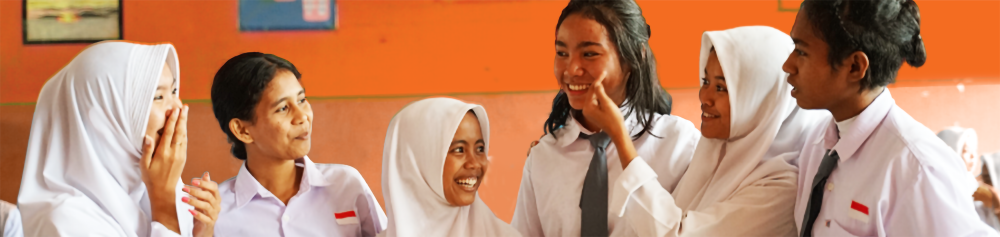
WVI recognises that education is the vital key to breaking the cycle of poverty. WVI consistently runs education programmes that do not merely build facilities or hold extra classes, but also improve teacher quality, develop relevant learning materials, and create safe, supportive school environments.
2. Child Health & Nutrition
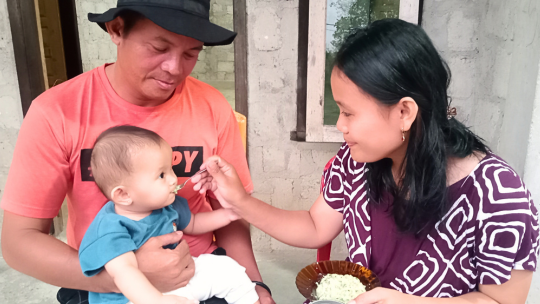
Good nutrition and health are the primary foundations of a child’s development. To realise this, WVI presents various programmes ranging from nutrition posts (pos gizi) to family education on balanced nutrition.
One of WVI’s flagship initiatives is the ENOUGH campaign, launched in August 2024. Through this programme, WVI organises Nutrition Posts, family nutrition gardens, training on nutritious food preparation, and promotes a clean lifestyle within the community.
3. Child Protection
Children are a group vulnerable to various risks, ranging from violence and exploitation to early marriage. WVI responds to this by forming child protection groups in villages, conducting training for parents and community leaders, and running public campaigns. This ensures children can access a safer physical and social environment. Through this approach, WVI not only seeks prevention but also strengthens community capacity to safeguard children together.
Beyond these three pillars, WVI is also active in Disaster Response, providing everything from emergency aid to rehabilitation.
These programmes rely on the support of internal teams and community contributions—those who wholeheartedly dedicate energy, thought, and material resources to WVI programmes such as Child Sponsorship and Thematic Donations like Childhood Hope, Enough, Chosen, and the Gift Catalogue.
The Real Role of WVI in Child Empowerment
With over 25 years of compassionate service, WVI has reached hundreds of regions and directly impacted millions of children in Indonesia. WVI's tangible role is evident in various aspects:
1. Increasing Community Capacity
It is not just about giving aid. WVI continuously provides training to parents, teachers, and community leaders so they can become agents of change. This ensures that when interventions end, the community can independently continue positive initiatives.
2. Driving Pro-Child Policy
Through cooperation with local governments, WVI ensures that the education, health, and child protection sectors receive priority in regional policies and budgets. WVI also provides space for children to participate. For instance, in the Chosen programme, children are not merely objects of aid but active subjects who choose their own sponsors and take part in building their futures.
3. Disaster Response and Wholehearted Accompaniment
When disaster strikes, WVI is responsive—not just providing emergency aid, but helping communities bounce back stronger through training, reconstruction, and cross-sector collaboration.
These steps bring about real change: a decrease in school dropout rates, improved nutritional conditions, and a growing community awareness regarding the necessity of child protection.
Let’s Start Making an Impact with Wahana Visi Indonesia
Children are the pillars of progress and the hope of the nation's future. However, for that hope to grow into reality, collaboration from many parties is required. WVI has shown the way through an approach that is measurable, sustainable, and focused on long-term change.
You too can take part in this journey. One of the most tangible ways is by becoming a Child Sponsor. With your regular support, children will gain access to education, adequate nutrition, health services, and the protection they need.
Be part of #PewujudHarapan (The Hope Enablers) as a Child Sponsor with Wahana Visi Indonesia. Together, we can realise a future full of hope, starting by crafting a better life for the children of Indonesia.